Helping children build stronger language & literacy skills.
CCC Language & Literacy is a speech pathology service with one focus: language and literacy support for school-aged children, in partnership with the schools and families around them.
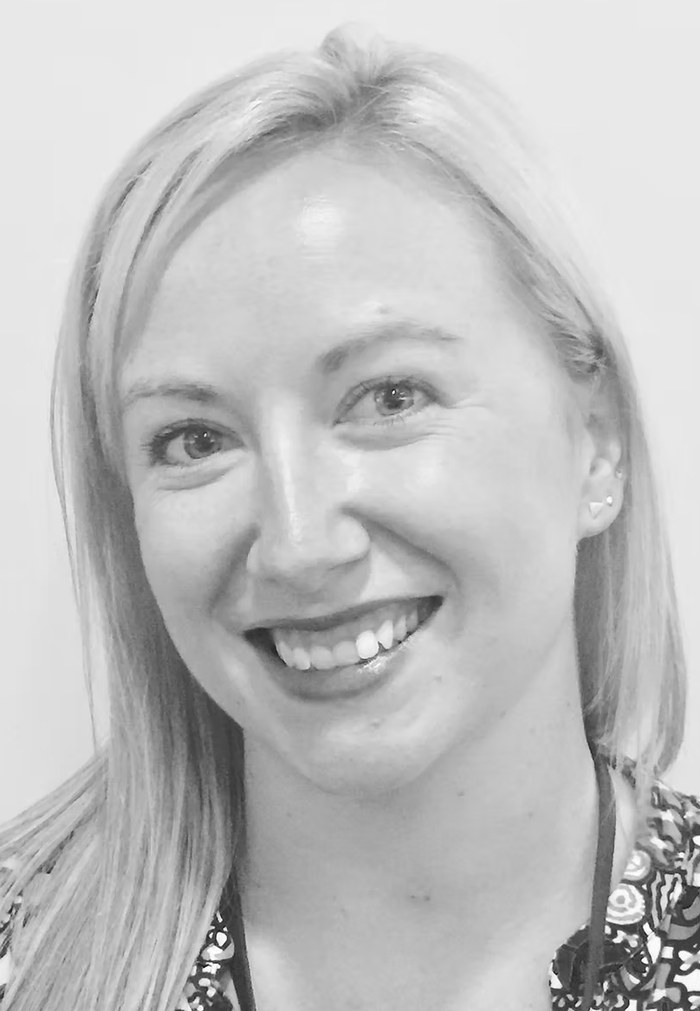
Hi, I'm Clare.
I've spent my career working with school-aged children — in schools, in classrooms, in clinics, and alongside the teachers and families who know them best. This experience cumulatively confirmed what I've always cared about the most. If I can help children build the language and literacy foundations that everything else in school depends on, in turn I am equipping them with skills to take into the rest of their lives.
CCC Language & Literacy grew out of that focus. Rather than a general speech pathology caseload, this practice is built specifically around language and literacy development with a focus on the skills required to learn at school.
I work collaboratively and relationally: alongside teachers and learning support staff, and with families as partners in a child's progress.
— Clare Cox
At a glance
- Speech pathologist with a background across schools, clinics, and home settings
- Extensive experience working within the Victorian Department of Education, supporting school-aged children
- Built specifically around language and literacy with an education focus
- Based in the Frankston LGA, working with local schools and families
Qualified, and experienced where it counts
Backed by postgraduate qualifications, national accreditation, and more than a decade working in and alongside Victorian schools.
- 8+ years of direct clinical speech pathology experience, and over a decade working in and alongside Victorian government schools
- Speech-language pathologist across Victorian Department of Education primary schools — assessment, intervention and school-based caseload support
- Led development of an evidence-based Language and Literacy Information Kit, used by allied health and education professionals across a Department of Education region
- Delivered professional learning to teaching and allied health staff on Response to Intervention, phonological awareness, phonics and oral language
- Provided clinical supervision to speech pathology students from La Trobe University and Australian Catholic University
- Experience leading and mentoring a speech pathology team in a multidisciplinary allied health practice
What guides the work
Language & literacy
Education-focused speech pathology.
Evidence-based
Assessment and intervention grounded in current research and best practice.
Collaborative
Working alongside teachers, learning support staff and families.
Relational
Real progress comes from genuine, trusting relationships with children, families and school teams.
Reading and writing start with spoken language
Literacy doesn't sit apart from speech and language — it's built on it. That connection is the whole reason a speech pathologist belongs in schools.
Oral language
Vocabulary and sentence structure aren't just "speaking" skills — they're what let a child understand what they read, not only decode it.
Phonological awareness
Hearing, blending and manipulating the sounds in words is one of the strongest early predictors of reading success.
Phonics & decoding
Explicit, systematic teaching of how letters and letter patterns map onto sounds — so reading becomes accurate and fluent.
Written expression
Turning spoken language into organised sentences, spelling and text — the skills that carry a child through the whole curriculum.
The evidence is consistent: the earlier a language or literacy difficulty is identified and supported, the better the long-term outcome — for a child's schooling, and for the everyday reading and communication skills that follow them into adult life.
Ways I can help
Support for children, delivered in partnership with the adults around them — through school contracts and through individual sessions.
School Contracts
Ongoing, embedded support built into the school week — working alongside teachers and learning support staff, not separate from them. Mainly mainstream primary schools, with capacity to support mainstream secondary schools too.
Primary Schools
Full-service support- Speech & language screening and assessment, including at key transition points (kinder visits, Prep transition)
- Individual and small-group therapy for speech, language and literacy difficulties
- Disability Inclusion (DI) support and consultation for classroom teachers, including Records of Specialist Intervention (ROSIs)
- Transition planning and reporting
- Professional learning for teaching staff on speech, language and literacy in the classroom
Secondary Schools
Targeted support- Speech and language screening
- Disability Inclusion (DI) support and consultation for teaching staff
- Youth Mental Health First Aid (YMHFA) training for staff working with students aged 12–18, via Peninsula MHFA
Individual Sessions
Private, one-on-one support for families wanting a language- and literacy-focused speech pathologist for their child.
Language Assessments
Comprehensive, individual assessment of a child's spoken and/or written language skills, with clear, practical reporting.
Literacy Assessment & Intervention
Targeted 1:1 or small-group support for reading, spelling and written expression — matched to how each child learns best.
Parent Support & Home Strategies
Simple, everyday strategies families can use to support their child's communication and literacy at home.
Not sure where to start?
Get in touch and we'll talk through what's happening and the best next step — no obligation.
Built for schools, and open to families
Most of my work happens inside schools — but I also welcome private enquiries from families and allied health colleagues.
Schools & Educators
In-school support alongside teachers, learning support staff and leadership teams — mainly in primary schools, with capacity for secondary.
Families
Private assessment and support for parents wanting a language- and literacy-focused approach for their child.
Allied Health Teams
Collaborative, complementary support alongside OTs, psychologists and other allied health professionals already involved.
Let's talk
Whether you're a school exploring a contract or a family with a question — reach out any time.
Get in touch directly
Also run Peninsula MHFA — accredited Youth Mental Health First Aid training for educators and adults working with young people aged 12–25.